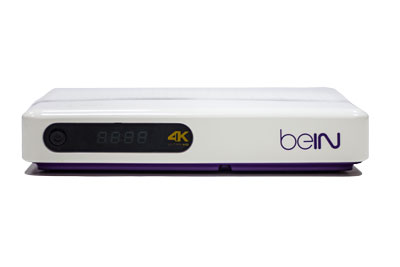
Accurate receiver configuration, including frequency, symbol rate, polarization, and FEC, ensures strong and stable signals. Proper tuning reduces technical problems and provides better picture and audio quality.
Well-aligned satellite dishes and high-quality cables further enhance signal strength and reliability. When combined with precise frequency updates, viewers can enjoy uninterrupted access to all channels with optimal performance.
Entering correct receiver settings, including frequency, symbol rate, and polarization, ensures smooth channel scanning and reduces the likelihood of signal loss. Accurate tuning improves both picture clarity and audio performance.
A properly installed satellite system, including correct dish alignment and quality cabling, further strengthens reception and minimizes interruptions. Combining technical accuracy with a well-maintained setup ensures a superior viewing experience.
Correct tuning of the receiver with precise frequency, symbol rate, and FEC values guarantees strong and reliable signal reception. Proper configuration prevents common issues such as pixelation, missing channels, or weak signals.
High-quality dish installation and cable management play a crucial role in overall system performance. When combined with accurate frequency data, viewers enjoy a smooth and uninterrupted satellite experience.
Accurate receiver configuration, including frequency, symbol rate, polarization, and FEC, ensures strong and stable signals. Proper tuning reduces technical problems and provides better picture and audio quality.
Well-aligned satellite dishes and high-quality cables further enhance signal strength and reliability. When combined with precise frequency updates, viewers can enjoy uninterrupted access to all channels with optimal performance.
Correct tuning of the receiver with precise frequency, symbol rate, and FEC values guarantees strong and reliable signal reception. Proper configuration prevents common issues such as pixelation, missing channels, or weak signals.
High-quality dish installation and cable management play a crucial role in overall system performance. When combined with accurate frequency data, viewers enjoy a smooth and uninterrupted satellite experience.
Accurate receiver settings, including frequency, symbol rate, and FEC, are essential to maintain a strong signal. Proper configuration reduces interruptions, improves picture clarity, and ensures stable audio quality.
Moreover, the physical setup of the satellite system plays a vital role. Correct dish alignment, high-quality cables, and well-maintained equipment enhance overall performance. Combining accurate frequency updates with proper installation guarantees a seamless viewing experience.
Accurate receiver configuration, including frequency, symbol rate, polarization, and FEC, ensures strong and stable signals. Proper tuning reduces technical problems and provides better picture and audio quality.
Well-aligned satellite dishes and high-quality cables further enhance signal strength and reliability. When combined with precise frequency updates, viewers can enjoy uninterrupted access to all channels with optimal performance.
Accurate tuning requires entering the correct frequency, symbol rate, and FEC values into the receiver. This precise configuration enhances signal strength, improves picture and audio clarity, and prevents common reception issues.
Installation quality is equally important, as proper dish alignment and high-quality cables maximize signal reliability. When combined with up-to-date frequency data, viewers can enjoy consistent access to satellite channels and a high-quality viewing experience.
Ajman TV, a cornerstone of Emirati media since its launch in February 1996, is a dynamic channel broadcasting from the emirate of Ajman.
Known as the “Fourth Channel” after Abu Dhabi, Dubai, and Sharjah TV, it offers a rich mix of entertainment, news, sports, and cultural programs.
Operated by Ajman Studios under the ownership of Abdullah Mohammed Murad, this free-to-air channel reflects the UAE’s vibrant heritage and modern aspirations.
With programs like Sawalef Riyadiya and Seha wa Hayat, Ajman TV captivates audiences across the Arab world.
This guide provides the latest frequencies for Ajman TV on available satellites as of June 2025, a straightforward receiver setup process, reception tips, and a glimpse into its diverse content, ensuring you can enjoy its offerings seamlessly.
Why Choose Ajman TV?
Ajman TV stands out for its eclectic programming, blending social, political, religious, and sports content to appeal to a broad audience.
From its inception as a terrestrial channel to its satellite expansion via Arabsat in 1998, it has grown into a beloved platform in the UAE and beyond.
The channel’s commitment to high-quality, free-to-air content, including exclusive films and talk shows, has earned it high viewership.
Viewers can also access live streaming on www.ajmantv.com and engage with the channel on social media platforms like Facebook, Twitter, and YouTube.
Whether you’re interested in health tips, religious insights, or regional sports analysis, Ajman TV delivers 24/7 entertainment without interruption.
Ajman TV Frequencies on Satellites
To watch Ajman TV, you need the correct frequency, polarization, symbol rate, and FEC (Forward Error Correction) settings for your satellite receiver.
Below is the most current frequency for Ajman TV on Nilesat as of June 2025, based on sources like www.lyngsat.com and www.ajmantv.com.
No frequencies are confirmed for other satellites like Arabsat, Yahsat, or Hotbird at this time. As a free-to-air channel, no subscription is required.
Always verify frequencies with these sources or www.satbeams.com, as settings may change.
Nilesat 201/Eutelsat 7 West A (7.0° West)
-
Channel: Ajman TV HD
-
Frequency: 11170 MHz
-
Polarization: Horizontal (H)
-
Symbol Rate: 27500 kS/s
-
FEC: 5/6
-
Coverage: Middle East and North Africa
Key Information
-
Satellite Availability: Ajman TV is primarily broadcast on Nilesat. No active frequencies are confirmed on Arabsat Badr (26.0° East), Yahsat (52.5° East), Hotbird (13.0° East), or Es’hailSat (25.5° East) as of June 2025. Historical frequencies on Arabsat (e.g., 12188 MHz, Horizontal) and Eutelsat 7 West A (12188 MHz) are no longer active.
-
Frequency Accuracy: Older Nilesat frequencies like 12226 MHz (Horizontal) or 12015 MHz (Vertical) are outdated and should be avoided. The 11170 MHz frequency is the most reliable.
-
Global Access: Outside MENA, Nilesat’s signal may weaken in regions like Europe or Asia. Stream Ajman TV online at www.ajmantv.com or via its YouTube channel for global access.
-
Free-to-Air Status: Ajman TV is unencrypted, requiring no smartcard or subscription, making it accessible within Nilesat’s footprint.
Reception Tips for Best Performance
To enjoy Ajman TV’s programs in crisp quality, follow these practical tips for reliable satellite reception:
-
Dish Size: Use a 60-80 cm dish for Nilesat in MENA hotspots like Dubai, Abu Dhabi, or Riyadh. In fringe areas (e.g., northern Europe, West Africa), a 90-120 cm dish boosts signal strength.
-
Dish Alignment: Point your dish to Nilesat at 7.0° West using a satellite finder or app like SatFinder or DishPointer. Ensure a clear signal path free of obstructions.
-
LNB Selection: Install a Universal Ku-band LNB with 9.75 GHz (low band) and 10.6 GHz (high band) frequencies. Ensure DVB-S2 compatibility for HD broadcasts.
-
Signal Quality: Target 70% or higher signal quality (98% is ideal) on your receiver’s signal meter to avoid pixelation. Fine-tune LNB skew for optimal results.
-
Weather Protection: Ku-band signals can falter during heavy rain. Secure your dish and check LNB caps for water damage to maintain performance.
-
Coverage Check: Verify your location is within Nilesat’s MENA beam using coverage maps on www.dishpointer.com or www.satbeams.com.
How to Tune Ajman TV on Your Receiver
Setting up Ajman TV on your satellite receiver is simple with these step-by-step instructions, compatible with most models (e.g., Strong, Humax, Technisat), despite slight menu variations.
-
Access the Menu:
-
Press “Menu” or “Settings” on your receiver’s remote.
-
Navigate to “Installation,” “Channel Search,” or “Antenna Setup.”
-
-
Select Manual Scan:
-
Choose “Manual Scan,” “Manual Installation,” or “Add Transponder.”
-
Select “Add TP” or “Edit Transponder” if prompted.
-
-
Choose Nilesat:
-
Select Nilesat 201/Eutelsat 7 West A (7.0° West) from the satellite list.
-
If unavailable, manually enter 7.0° W as the orbital position.
-
-
Input Transponder Details:
-
Enter the following settings:
-
Frequency: 11170 MHz
-
Polarization: Horizontal (H)
-
Symbol Rate: 27500 kS/s
-
FEC: 5/6
-
-
Confirm all values for accuracy.
-
-
Start the Scan:
-
Press “Scan,” “Search,” or “OK” to initiate the scan.
-
Select “FTA Only” or “All Channels” to include free-to-air channels.
-
Wait 1-3 minutes for the scan to complete.
-
-
Save Channels:
-
Press “Save” or “OK” to store the scanned channels.
-
Ajman TV HD will appear in your channel list under “Entertainment” or “All Channels.”
-
-
Adjust Dish if Needed:
-
If the signal is weak or the channel is missing, tweak the dish’s azimuth and elevation while monitoring the signal meter.
-
Check LNB skew and cables for 70-98% signal strength.
-
-
Test the Channel:
-
Find Ajman TV (listed as “Ajman” or “Ajman TV HD”) in your channel list and select it to confirm clear playback.
-
If issues persist, recheck settings or contact a technician.
-
Receiver Tips:
-
For Strong models (e.g., SRT 4920), enable “LNB Power” in the “Transponder” menu.
-
For Humax or Technisat, set LNB to “Universal” (9750/10600 MHz).
-
Default PINs (e.g., 0000, 1234) may be required; consult your manual.
Ajman TV’s Engaging Programming
Ajman TV offers a diverse lineup that caters to varied interests, blending entertainment with education. Here’s a look at its standout content:
Top Programs
-
Sawalef Riyadiya: A sports talk show airing Wednesdays at 7 PM UAE time, featuring analysts and guests discussing Emirati and Gulf matches.
-
Seha wa Hayat: Airs Mondays at 7 PM, offering health tips and medical advice for a healthier lifestyle.
-
Al-Deen wal Hayat: Hosted by Sheikh Ali Mashael, this religious program airs Saturdays at 7 PM, addressing Islamic principles and daily life.
-
Bil Qanun: A political show hosting experts to discuss legal and policy issues in the UAE.
-
Al-Rabea wal Nas: Presented by Abdullah bin Rashid bin Khusaif, this daily show (Monday to Friday, 10 AM to 2 PM) connects viewers with officials to address community concerns.
Content divisions
-
Entertainment: Talk shows, comedies, and exclusive Arab films and series.
-
Sports: Regional sports analysis and match highlights.
-
Social: Programs tackling community issues and family values.
-
Religious: Islamic lectures and anthems promoting spiritual growth.
-
News: Updates on local and regional arts, culture, and events.
Prime-time (7 PM to 11 PM) features flagship shows, with reruns and online streaming for flexibility.
Accurate receiver tuning, including frequency, symbol rate, and FEC settings, is essential for stable and reliable reception. Proper configuration reduces technical issues and enhances overall viewing quality.
While automatic scanning simplifies channel searches, manual adjustments with precise parameters remain the most effective method for optimal performance.
Dish alignment and installation quality are critical components for strong signal reception. Properly positioned dishes, secure mounts, and high-quality cables improve reliability and minimize interruptions.
Routine system maintenance ensures long-term performance and consistent signal strength. Even minor adjustments can significantly enhance reception quality.
Combining updated frequency data with proper installation provides viewers with a smooth, reliable, and high-quality satellite viewing experience.
Proper receiver configuration, including frequency, polarization, and FEC values, ensures strong signal reception and minimizes technical issues. Accurate tuning improves both video and audio quality, providing a better viewing experience.
Modern receivers often include automatic scanning tools, but manual adjustment with precise parameters remains the most reliable method for optimal reception.
A well-installed satellite system, including proper dish alignment and high-quality cables, further enhances signal stability. These elements combined guarantee a reliable and high-quality viewing experience.
Accurate receiver tuning, including frequency, symbol rate, and FEC settings, is essential for stable and reliable reception. Proper configuration reduces technical issues and enhances overall viewing quality.
While automatic scanning simplifies channel searches, manual adjustments with precise parameters remain the most effective method for optimal performance.
Dish alignment and installation quality are critical components for strong signal reception. Properly positioned dishes, secure mounts, and high-quality cables improve reliability and minimize interruptions.
Routine system maintenance ensures long-term performance and consistent signal strength. Even minor adjustments can significantly enhance reception quality.
Combining updated frequency data with proper installation provides viewers with a smooth, reliable, and high-quality satellite viewing experience.
Entering the correct technical parameters in the receiver, such as frequency, symbol rate, and FEC, guarantees smooth and reliable reception. Proper tuning reduces errors, prevents weak signals, and improves picture clarity.
The installation quality of the satellite system plays a key role in signal stability. Correct dish alignment and durable cables maximize reception strength and reduce interference.
By combining accurate frequency updates with proper installation, viewers enjoy a seamless and uninterrupted satellite experience.
Correct receiver configuration, including frequency, FEC, and symbol rate, ensures stable signal reception and reduces technical issues. Proper tuning enhances both picture and audio quality.
While modern receivers include automatic scanning features, manual adjustment with precise parameters remains the most reliable method for optimal reception.
The quality of dish alignment and installation significantly affects signal stability. Well-positioned dishes and durable cabling improve performance and maintain uninterrupted access.
By combining accurate frequency data with high-quality installation, viewers can enjoy a stable and high-quality satellite viewing experience without interruptions.
Correct receiver configuration, including frequency, FEC, and symbol rate, ensures stable signal reception and reduces technical issues. Proper tuning enhances both picture and audio quality.
While modern receivers include automatic scanning features, manual adjustment with precise parameters remains the most reliable method for optimal reception.
The quality of dish alignment and installation significantly affects signal stability. Well-positioned dishes and durable cabling improve performance and maintain uninterrupted access.
By combining accurate frequency data with high-quality installation, viewers can enjoy a stable and high-quality satellite viewing experience without interruptions.